Scenario Cards Case Study: Alignment

In this case study, we look at how Scenario Cards provided a bridge to emotional alignment for Keith Pimentel, a nurse navigating the high-stress world of intensive care.
A Calling to Care
Birth. Death. Hope. Loss.
For Keith Pimentel, these aren’t rare events; they’re part of his daily work routine. Keith’s life has always revolved around caring for others. Growing up in the Philippines, he found his path in health care early on and became a nurse, driven by the belief that supporting people in their most vulnerable moments was more than a job; it was his purpose.
“I like taking care of people,” he says simply. “Nursing is a vocation and a profession at the same time, so I believe this is my calling.”
In 2020, he carried that calling across continents, moving to the Isle of Man to continue his work. The timing couldn’t have been more difficult. The world was in lockdown, he was far from family, and the weight of the pandemic pressed heavily on every hospital ward.
Finding Scenario Cards in a Time of Isolation
When Keith first arrived in the UK, the pandemic made it nearly impossible to build new connections. Far from his family in the Philippines, he often felt the weight of isolation on top of the demands of being a nurse.
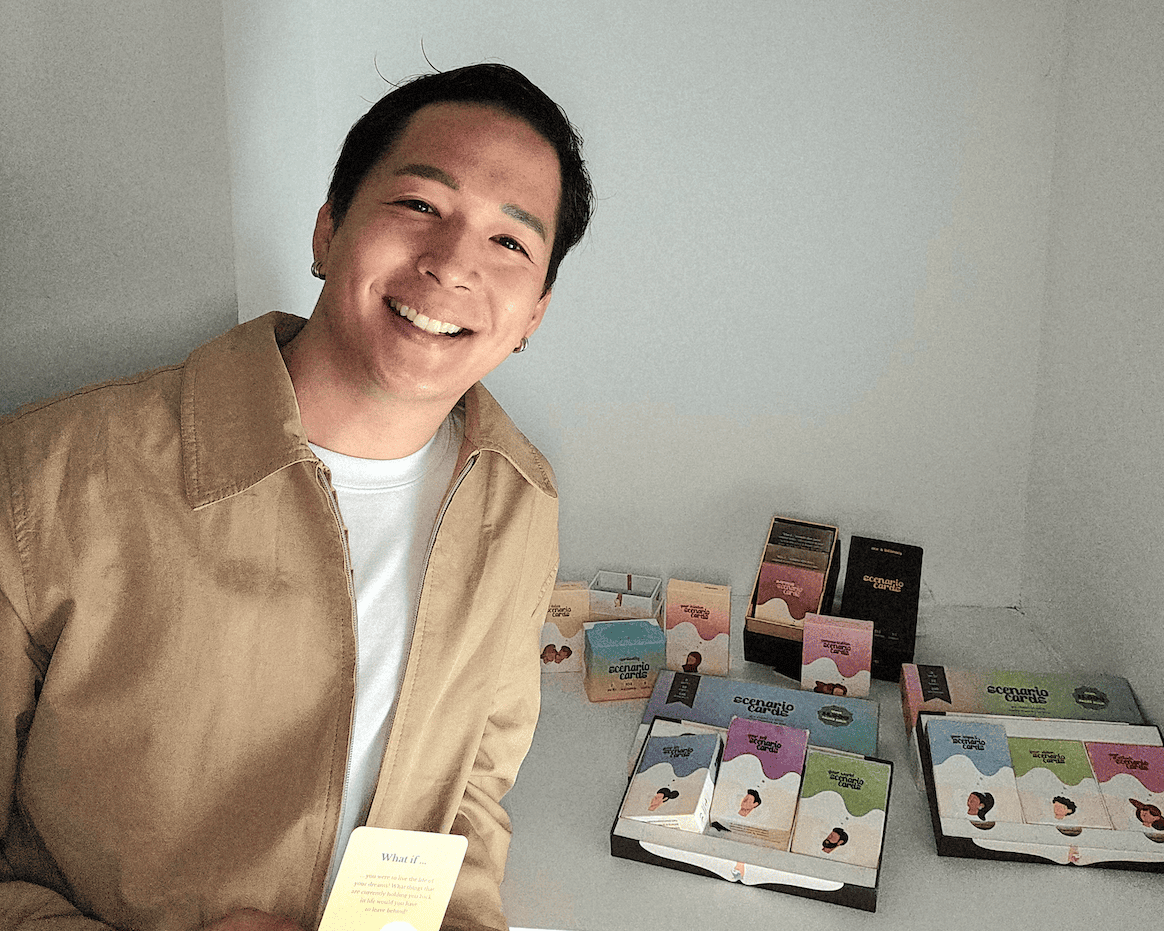
That was when he discovered Scenario Cards. He began using the Complete Bundle both for personal reflection and as a bridge to deeper conversations with friends and family online. The questions became catalysts not just for conversation, but also for compassion.
“It helps me to relate and to connect with myself, to be more self-aware. ‘What would I do if I feel like this, and what would I do if others felt like this?” Keith explains.
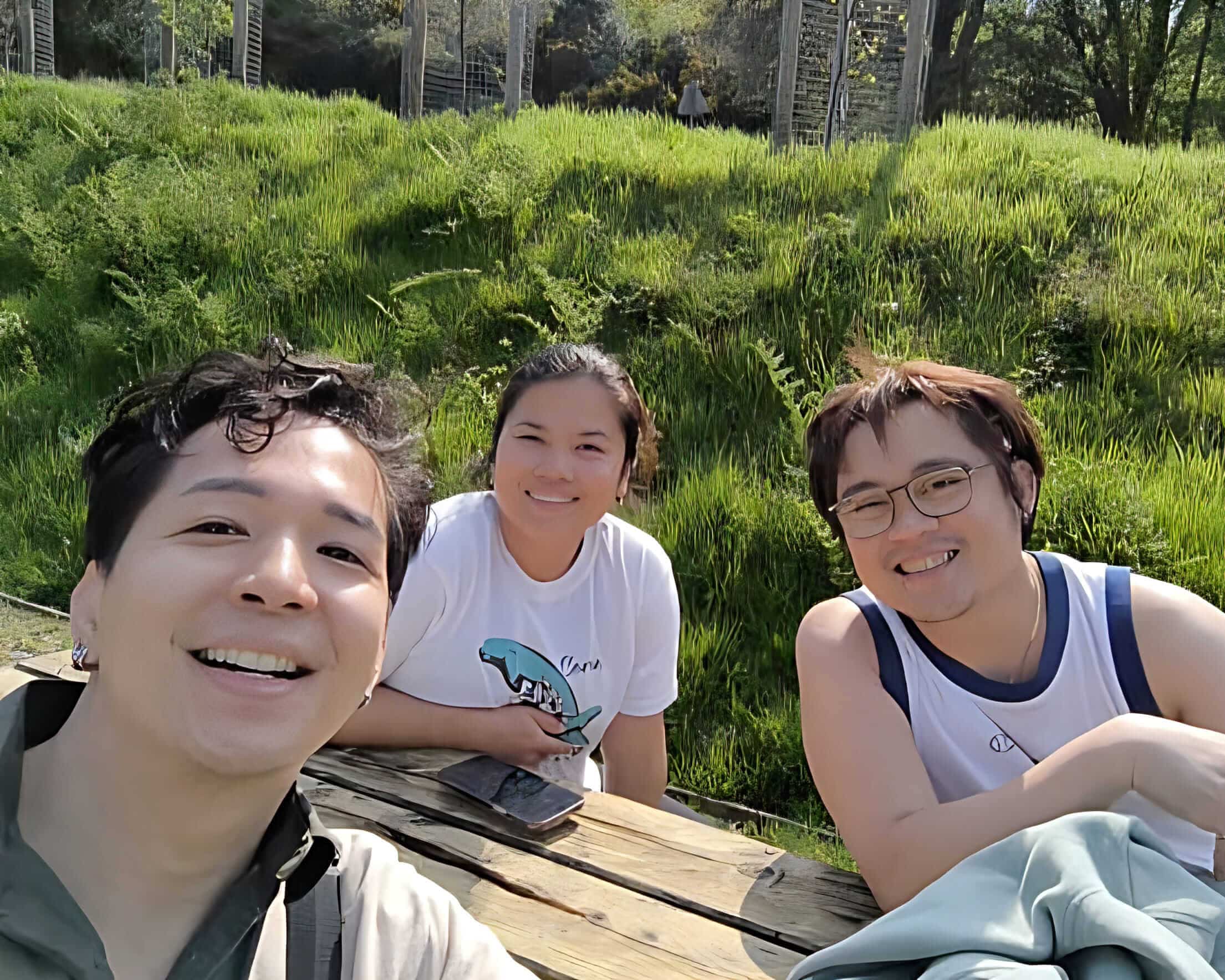
From Self-Reflection to Connection
At first, Keith used Scenario Cards as journaling prompts. He would sit with a card, reflect on its scenario, and notice how it opened doors to thoughts and emotions he wouldn’t normally explore.
“The questions will make you reflect on scenarios you never would ask yourself normally,” he says. “With the different intensities, it deciphers more into a deeper emotional reflection.”
Before long, the cards also became part of his social life. When conversations with friends started to fade into small talk, Keith would pull out a deck.
“When we run out of things to talk about, I take out the cards,” he laughs. “Sometimes one question can really get someone talking!”
The Nurse’s Break Room
Eventually, Keith brought Scenario Cards into the hospital break room. In a high-stress environment like intensive care, emotions often run deep but remain unspoken. Rather than asking his colleagues directly, “How do you feel?”, a question that can feel too raw, he’d frame it through a gentle ‘What if’… scenario.
There wasn’t always time to pull out the physical cards. So Keith began memorizing the questions and naturally weaving them into conversation instead. That small shift gave his colleagues a safe way to open up, process stress, and find their footing in the middle of demanding shifts.
“In intensive care, you see different forms of hope and death,” Keith explains. “Dealing with those emotions can be traumatizing. The cards help us channel those feelings and verbalize them, especially for new nurses.”
Stories from the Ward
Some of the most powerful moments came when Keith used "What If" questions in the aftermath of difficult cases. Following a sudden death of a young patient leaving her family and children behind, profoundly affected his colleagues, his questions offered a safe space for colleagues to process and identify their emotions. By asking "What if…," he gave them an opportunity to name what they were feeling and to support each other through the shock.
In another instance, a long-term care patient grew withdrawn after overhearing a dismissive remark from a healthcare colleague. Keith's reflective questions gently invited the colleague to consider the impact of their words. That shift created an opening for greater empathy and awareness among the staff, transforming their approach to patient care.
“Bringing a culture of compassion by using the cards puts you in a situation where you’re more mindful of what you say,” Keith reflects.

Why Scenario Cards Stand Out
Over the years, Keith has purchased just about every table deck he could find. He owns dozens, but most ended up gathering dust.
“I keep on buying different table cards, but it seems they’re all the same questions,” he says. “No matter what, I still go back to Scenario Cards.”
What sets them apart, he explains, is the depth. One question isn’t answered and forgotten; it often unfolds into a heartfelt story, a reflection that lingers, or a conversation that reveals something new.
A Culture of Gratitude and Compassion
Keith dreams of using Scenario Cards not only in conversations, but as part of a broader shift in workplace culture. Inspired by the Gratitude pack in the Purpose Collection, he imagines a “What If Board” in the hospital, a daily or weekly question posted for staff to reflect on together.
The idea is simple: create moments of pause in a fast-paced environment, where colleagues can recognize one another’s strengths and share perspectives with more compassion. For him, the cards are more than prompts; they’re seeds of possibility for a more caring, supportive workplace.
“Can we be a bit more compassionate in giving feedback?” Keith asks. “We don’t know what trauma someone has been through.”
A Bridge To Emotional Alignment
For Keith, Scenario Cards are far more than just a game. They’re a bridge to connection in the hardest of environments.
“It’s not just another card game. It stands out in having a deeper connection with friends and family. Whether you use it online or sit down with your friends, it’s very helpful.”
His belief is simple: the cards create self-awareness, compassion, and connection in a world that needs more of all three. And his advice to others is just as straightforward: “I would recommend Scenario Cards to everyone, to every individual who would like to be more aligned with their emotions.”
Keeping the Care in Health Care
In a system that often reduces care to numbers and data points, the human element is easy to overlook. Doctors and nurses show up for others day in and day out, carrying the weight of life, death, and everything in between.
Yet too often, no one is looking after them. Long hours and relentless pressure can leave even the most dedicated professionals running on empty. And when that happens, the strain can quietly spill over to the very patients they are trying to serve.
Keith’s story is proof that one person can make a difference. By bringing Scenario Cards into conversations, sometimes as simple as asking a gentle “What if…?”, he is creating ripples of compassion that reach colleagues, patients, and the culture of his workplace. By bringing better questions, he is helping ensure that compassion and care stay at the heart of health care.
Are You Aligned with Your Emotions?
As Keith’s journey in intensive care shows, we often carry the weight of life, death, and everything in between without a safe place to put it down. Whether you’re a healthcare hero like Keith or simply someone looking to be more mindful of the words you speak, the "What If" method is your bridge to a more compassionate life.
Don't let your conversations gather dust on a shelf. Explore our collections and start your own ripple effect today. Because in a world of data points, the human element is what matters most.